
Portrait vs Landscape: Choose the Right Photo Style
Key Takeaways
- Portrait is vertical, landscape is horizontal; choose the orientation that supports your subject, story, and final use;
- Portrait orientation is often best for people, tall buildings, and products; landscape orientation is typically used for vistas, context, and a group of people;
- Simple composition tips, like the rule of thirds and leading lines, help your eye find the best frame for any scene;
- Mixtiles lets you upload, crop, and preview portrait or landscape prints, then stick and restick your gallery at home without damage.
If you have wondered what is portrait vs landscape and when to use each, here is the quick answer: portrait photos are vertical and landscape photos are horizontal. Both orientations can create strong images. Your choice should reflect the subject, the mood you want, and where the image will live, like social, your phone, or your wall. Learn practical tips that help you pick the right frame and turn favorite shots into wall art with Mixtiles.
Turn your portrait and landscape favorites into a custom photo gallery wall. Open the free Mixtiles app to create and preview your unique wall arts in minutes.
What is portrait vs landscape orientation, exactly?
Portrait orientation is taller than it is wide, which emphasizes height and a single person or object. Landscape orientation is wider than it is tall, which captures breadth, scale, and multiple elements in one view.
|
Orientation |
Typically used for |
Mixtiles formats that work well |
|---|---|---|
|
Portrait |
Portraits, fashion, tall buildings, products; |
8 × 11 or 12 × 16 tiles and canvas prints for vertical images; |
|
Landscape |
Landscapes, cityscapes, events, a group of people; |
11 × 8 or 16 × 12 tiles and canvas prints for horizontal scenes. |
When should you pick portrait orientation?
Choose portrait orientation when the subject, or the emotion you want to capture, is vertical and singular.
Best for vertical subjects and emphasis
Portrait photography shines with people, tall buildings, and waterfalls. It isolates the subject, which is good when you want attention on one person or product.
Cropping and headroom tips
Keep eyes near a top-third gridline to guide the viewer’s eye. Leave safe margins so nothing critical gets trimmed during prints.
When does landscape work better?
Pick landscape orientation to show context, scale, and how elements relate across a wide scene.
Best for breadth and context
Landscapes, group shots, or environmental portraits often look better wide, since you can include foreground and background that tell the story.
Balance the frame
Use leading lines and the rule of thirds to move the eye across the image. This works well for horizons, roads, and shorelines.
Want instant clarity on crops and orientations? Upload your pictures and see how they look as beautiful photo tiles. Preview your portrait vs landscape layouts side by side.
How does orientation shape the story you’re telling?
Orientation changes mood: portrait can feel intimate; landscape can feel calm or cinematic.
Mood and motion

Vertical frames amplify height and drama. Horizontal frames emphasize space, scale, and steady movement across the scene.
Composition shortcuts

Use thirds, leading lines, and negative space to highlight your main subject and create a clean, professional look.
Which orientation fits social, screens, and print best?
Match your image orientation to the destination for the best viewing experience.
- Social feeds and phones: Portrait fills more screen space and typically performs better;
- Web banners, slides, or TV: Landscape orientation fits widescreen displays;
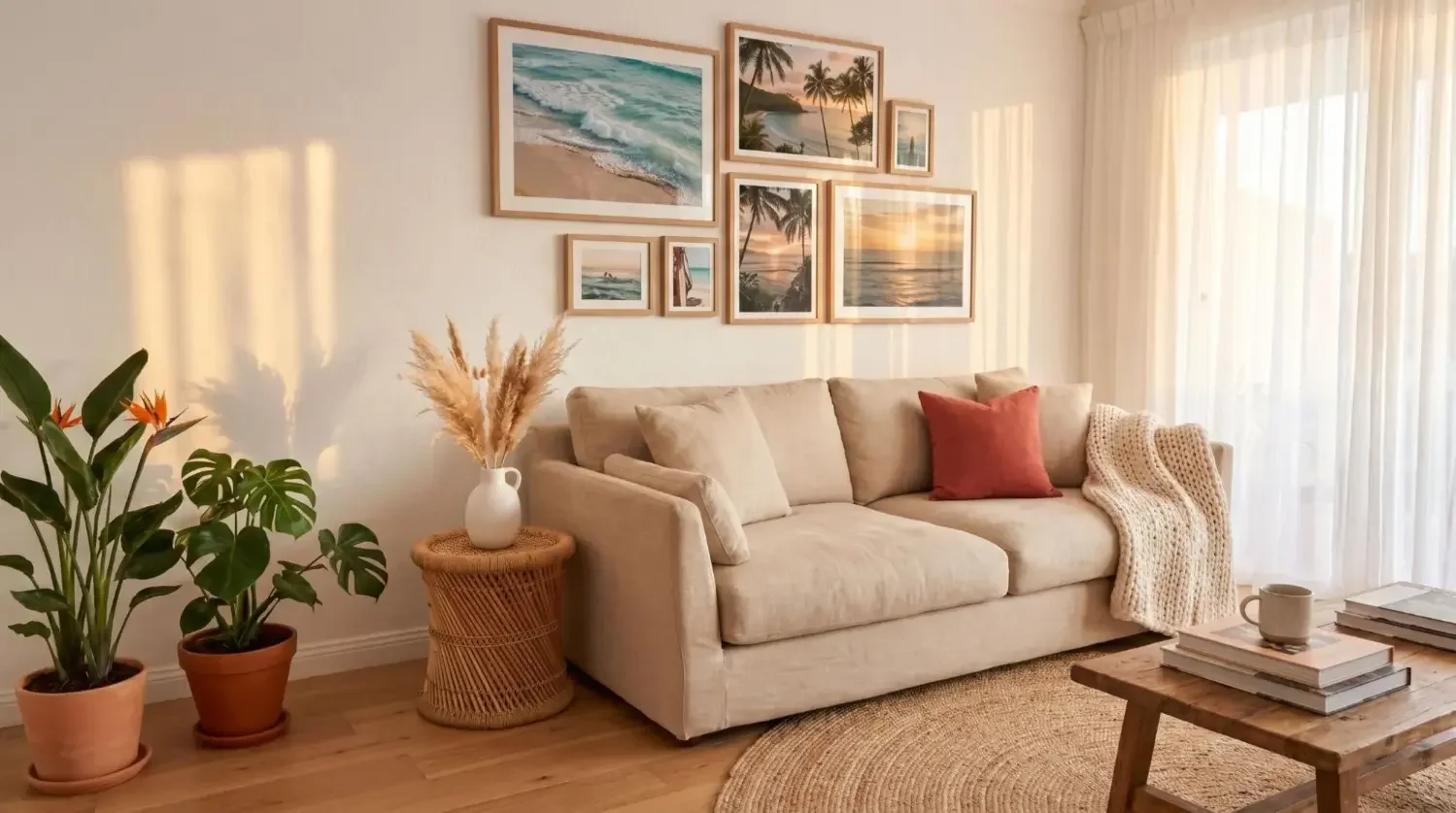
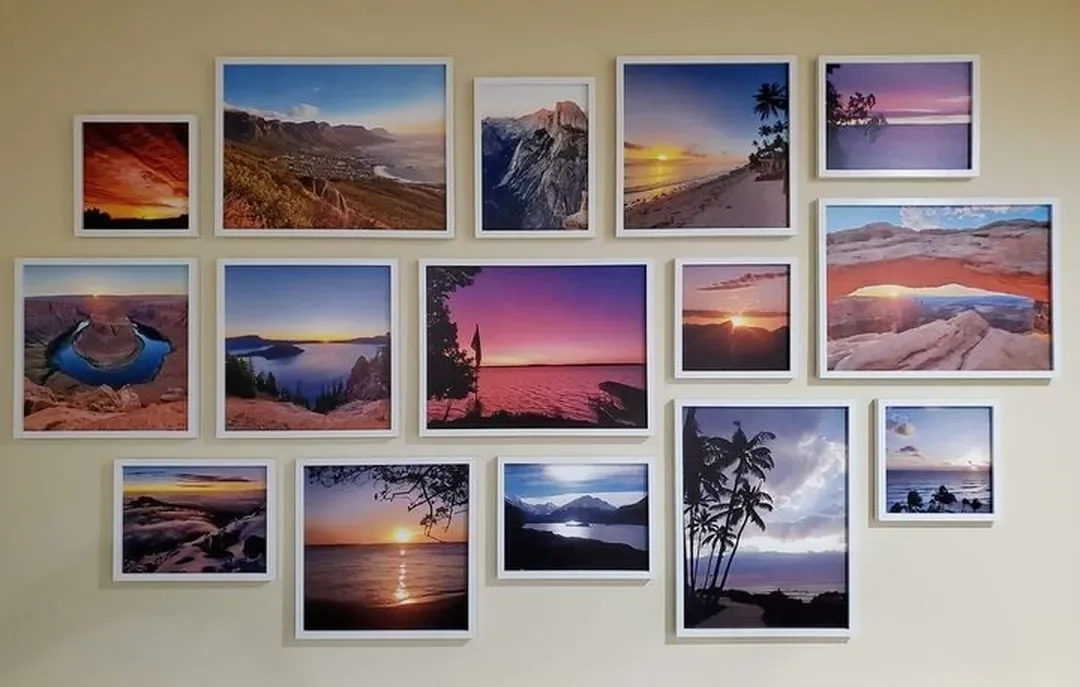
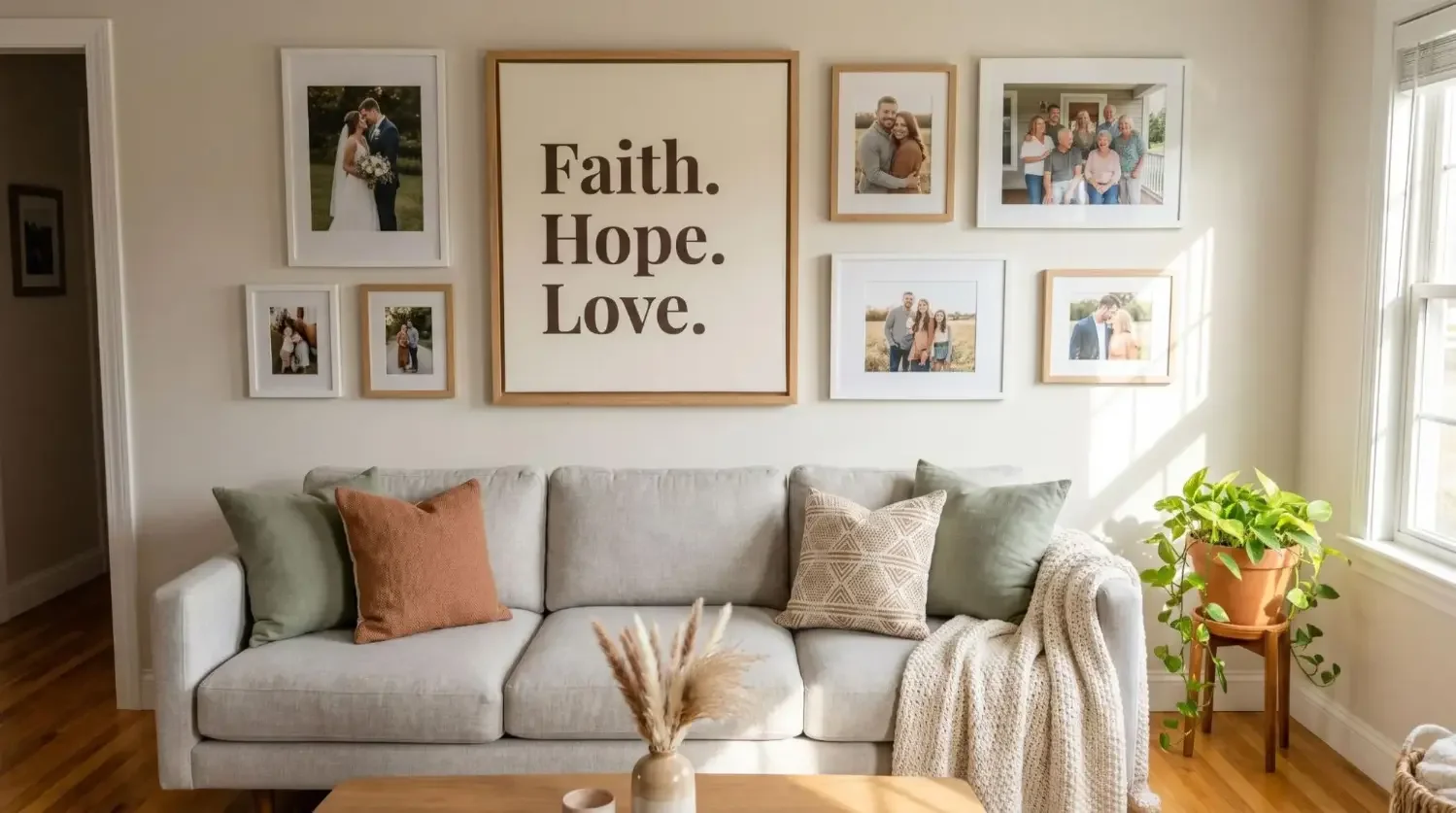
- Home prints and gallery walls: Mix portrait and landscape orientations for rhythm and balance.
Not sure what dimensions will look balanced in your room? Check our wall art size guide to choose print sizes that fit your space.
How do portrait vs landscape photos look on Mixtiles?
Both orientations print beautifully. The app helps you crop, align, and preview before you order.
Upload, crop, preview
Import photos, adjust the crop, then see how each tile will look on your wall. You can also pick borders and frame colors.
Pro tips for wall galleries
Mix orientations for variety, keep spacing consistent, and align tops or centers for a clean gallery look. For layout inspiration and spacing formulas, follow our how to arrange art on a wall tutorial. To keep everything at a comfortable eye level, see exactly how high to hang art.
Mixtiles stick, restick, and remove cleanly, so you can swap or straighten anytime. Decorating a rental or dorm? Here is how to hang wall art without nails so you can style your gallery without damage.
There is no universal winner in portrait vs landscape. The best choice depends on your subject, story, and where the image will be used. Create, preview, and print with Mixtiles to get wall art you love, and rearrange your gallery whenever inspiration strikes.
Ready to make your wall look new? Create stunning canvas prints from your favorite photos. Open the Mixtiles app to design a gallery you can always refresh.
Frequently Asked Questions
Is portrait the same as vertical?
Yes. Portrait is the vertical orientation, height greater than width. It suits people, tall subjects, and mobile screens since it fills more of the display. For prints, keep a little headroom and side margins so important details are not lost during trimming.
Is landscape the same as horizontal?
Yes. Landscape is the horizontal orientation, width greater than height. It is ideal for vistas, groups, and scenes where context matters. It also fits TVs, slides, and web banners. Keep horizons level, and use leading lines to guide the viewer across the frame.
What is the difference between portrait and landscape when printing?
Portrait prints are taller than they are wide, landscape prints are wider than they are tall. Match the print orientation to your original photo to avoid awkward crops. With Mixtiles, you can upload, crop, and preview both orientations on your wall before you order.
How do portrait and landscape photos differ in photography?
Portrait emphasizes a single subject and height, creating an intimate or dramatic feel. Landscape emphasizes space and relationships among elements, creating a calm or cinematic look. Choose the frame that best supports your story, or mix both for a dynamic gallery.

Be the first to know — deals, news & decor ideas.
By clicking you agree to the Terms of Use & Privacy Policy